

Mango butter is a rich, plant-based moisturizer that softens skin, supports the skin barrier, and delivers antioxidants that help fend off everyday environmental stress. It absorbs more easily than heavier butters, carries a low comedogenic reputation for most skin types, and doubles as a conditioning treatment for dry hair and scalp. These are cosmetic benefits, not medical ones, so if you’re acne-prone or allergic to tree fruits, patch-test before applying it to your face.
TL;DR:
- Mango butter has a low to moderate risk of clogging pores, with most formulators rating it around a 2 on the comedogenic scale.
- It offers proven moisturizing benefits, improving skin texture and hydration better than some commercial lotions in specific cases like cracked heels.
- Its antioxidant properties are supported by lab research but lack extensive clinical trials confirming anti-aging or protective effects for human skin.
- For best results, apply thin layers on the face and richer amounts on the body, and rinse thoroughly after scalp or hair treatments to avoid heaviness.
- Patch testing is recommended for those with fruit allergies or oily skin to prevent irritation or breakouts before regular use.
Table of Contents
- Key Mango Butter Benefits at a Glance
- Is Mango Butter Non-Comedogenic? What the Research Actually Shows
- How to Use Mango Butter on Face, Body, and Hair
- Mango Butter Safety: Allergies, Acne Risk, and Patch Testing
- Our Take on Formulating with Mango Butter
- Where to Find Mango-Butter-Rich Moisturizers
- Sources
Key Mango Butter Benefits at a Glance
- Moisturization and barrier support. Mango butter forms a light, breathable film on skin that slows water loss, which is why it’s often paired with dry-skin formulas rather than sold as a stand-alone spot treatment.
- Antioxidant protection. It contains plant compounds tied to antioxidant activity, offering a modest defense against the kind of oxidative stress that comes from sun and pollution exposure, though it’s not a sunscreen substitute.
- Low-to-moderate pore-clogging risk. Most formulators rate it low on comedogenic scales, meaning it’s less likely than some heavier butters to trap oil and debris in pores, but individual skin still reacts differently.
- Soothing for dry or irritated patches. Its emollient structure can calm the tight, flaky feeling that comes with dry or wind-chapped skin, making it a common ingredient in relief balms for stressed skin.
- Hair and scalp conditioning. Worked through dry ends or a flaky scalp, mango butter adds slip and shine without the greasy weight some heavier natural butters leave behind.
Each of these benefits shows up more reliably in daily-use, leave-on products (lotions, body butters, hair masks) than in rinse-off formulas, since rinsing washes most of the emollient layer away before it can do its job.
Is Mango Butter Non-Comedogenic? What the Research Actually Shows
Cosmetic formulators generally place mango butter around a 2 on the standard 0 to 5 comedogenic scale, which puts it in the low-to-moderate range rather than in pore-clogging territory. That’s a meaningfully different profile than some other tree-nut butters, and it’s a big part of why mango butter shows up in facial moisturizers as well as body products.
The moisture data is more specific than most people expect. A small 2008 trial tested a mango-butter-based formulation against a commercial lotion for cracked heels and reported better improvement in moisturization and skin texture with the mango butter formula. It’s a small study, and it measured a specific condition on a specific body part, not a general anti-aging or acne claim. Treat it as a solid signal for emollient performance, not proof of broader therapeutic effects.
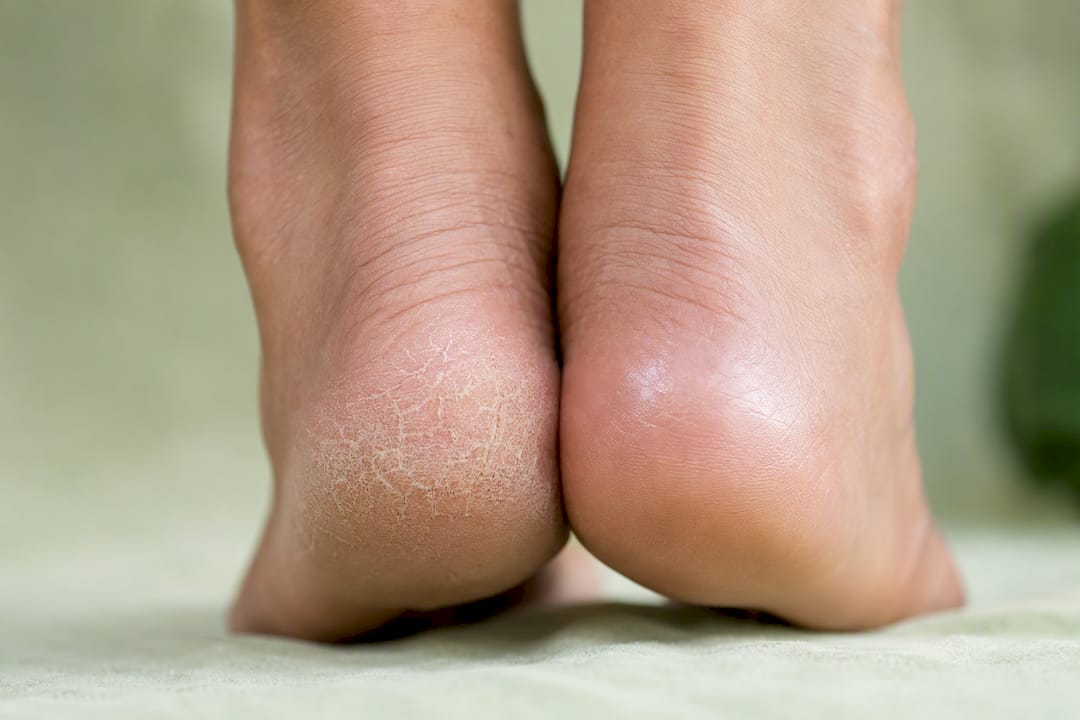
On the antioxidant side, the picture is similarly encouraging but bounded. PubMed-indexed research on mango kernel constituents documents antioxidant and antimicrobial activity in lab settings, and NCBI-published reviews summarize similar anti-inflammatory potential from mango kernel phytochemicals. These findings come largely from lab and preclinical work, which means the compounds show real activity in a petri dish or animal model, but clinical trials confirming the same effect on human skin over time are still limited.
Here’s the honest summary of what the evidence supports and doesn’t:
- Supported: emollient moisture retention, textural improvement on rough or cracked skin, antioxidant compounds present in the raw material.
- Not yet established: clinical-grade anti-aging claims, UV protection strong enough to replace sunscreen, or acne treatment.
- Dermatology guidance is consistent here too. The American Academy of Dermatology notes that oils and butters can aggravate acne-prone skin in some people, which is exactly why a patch test matters more than a comedogenic rating alone.
Mango butter is a cosmetic emollient with genuine, evidence-backed moisturizing and antioxidant properties. It is not a medical treatment for acne, eczema, or skin disease, and no legitimate formulator will tell you otherwise.
How to Use Mango Butter on Face, Body, and Hair
Where you apply it changes how much you should use and how you should prepare it.
- Face: Use a thin layer, roughly the size of a pea, and blend mango butter at 5 to 10 percent into a lighter carrier oil like jojoba or grapeseed if you’re using it raw. This keeps the texture from feeling heavy on facial skin, which has thinner, more reactive pores than the rest of your body.
- Body: Warm a small amount between your palms until it turns glossy and soft, then massage it into damp skin right after a shower. Straight mango butter, or a blend closer to 30 to 50 percent, works well here since body skin tolerates richer textures.
- Scalp and hair: Work a small amount through the ends of dry or damp hair, or massage a light layer directly onto the scalp to loosen flakes before shampooing. Leave it on for 15 to 20 minutes as a mask, then rinse thoroughly so it doesn’t weigh hair down.
Pro Tip: If your homemade blend feels grainy after cooling, you likely cooled it too fast. Melt it again, then let it set at room temperature undisturbed for a smoother, whipped finish.
Three simple starting ratios:
- Face balm: 10% mango butter, 80% jojoba oil, 10% vitamin E oil.
- Body butter: 40% mango butter, 40% shea butter, 20% sweet almond oil, whipped together.
- Hair mask: 2 tablespoons mango butter melted with 1 tablespoon coconut oil and a few drops of rosemary oil.
Store finished blends in a cool, dry cabinet away from direct sunlight. Refrigeration isn’t necessary unless your home regularly runs above 75°F, since heat is what shortens shelf life, not room-temperature storage itself.
Mango Butter Safety: Allergies, Acne Risk, and Patch Testing
Mango butter is generally well tolerated, but it isn’t risk-free for everyone. People with known allergies to mangoes, cashews, or pistachios should be cautious, since these fruits share urushiol-related compounds that can trigger contact dermatitis in sensitive individuals, particularly from unrefined or minimally processed butter that retains more plant residue.
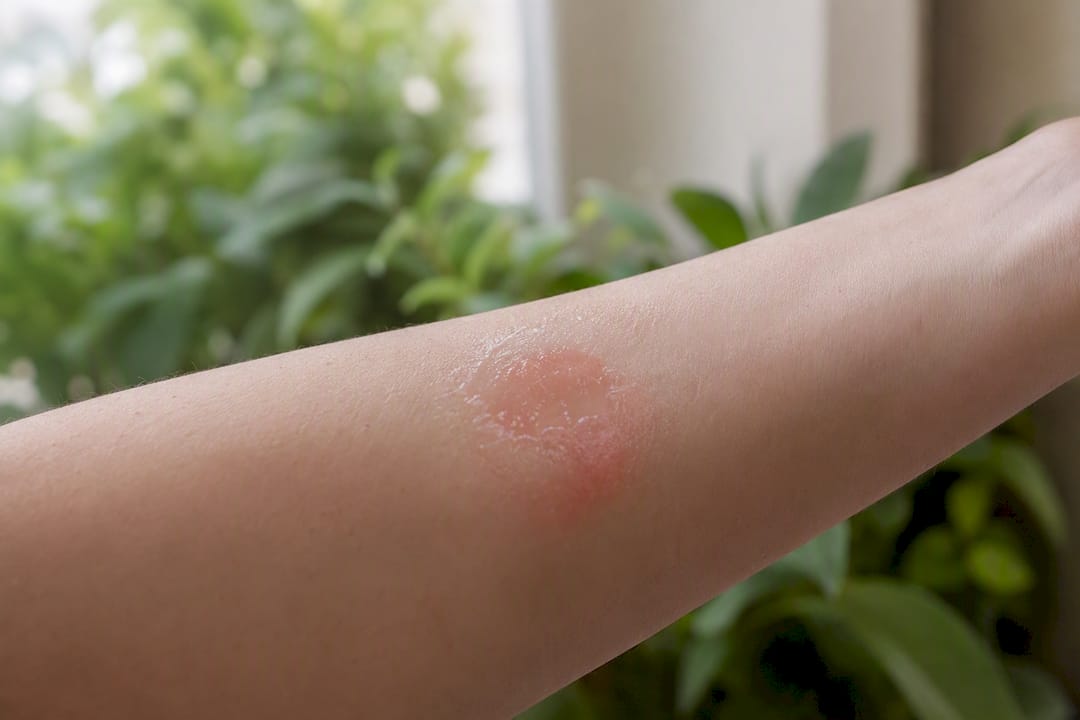
If you have oily or acne-prone skin, don’t apply a new mango butter product across your whole face on day one. Test it on a small area, like your jawline, for several days and watch for clogged pores or new breakouts before committing to regular use.
A simple patch-test protocol:
- Apply a dime-sized amount to your inner forearm.
- Wait 24 to 48 hours without washing the area.
- Check for redness, itching, bumps, or swelling.
- If clear, try a small facial area for another 48 hours before full use.
- Stop immediately and rinse if irritation appears at any stage.
If you use prescription topicals like retinoids or benzoyl peroxide, check with a dermatologist before layering a new butter into your routine, since combining actives with occlusive ingredients can sometimes intensify irritation.
Our Take on Formulating with Mango Butter
Jeffi builds its whipped body butters around ingredients that deliver texture and moisture without unnecessary additives, and mango butter earns its place for a simple reason: it whips into a light, stable consistency that doesn’t feel greasy on already-irritated skin. That matters a lot for anyone using a body butter to calm skin that’s dry, itchy, or recovering from a bug bite, where a heavy, pore-clogging product can make irritation worse instead of better.
Every Jeffi formula built with mango butter carries Non-GMO Project verification, which reflects a broader commitment to ingredient sourcing rather than a shortcut. This perspective comes from formulating with the ingredient directly, not from a neutral survey of the market, so weigh it alongside the clinical evidence discussed above rather than as a substitute for it.
— Jeffi
Where to Find Mango-Butter-Rich Moisturizers
If dry, sensitive, or itch-prone skin is what brought you here, a whipped formula built around a balanced emollient like mango butter is worth trying before you reach for something heavier. Jeffi’s whipped body butters are formulated for exactly this kind of skin, blending mango butter’s moisture-locking properties with a texture light enough for daily use on arms, legs, and hands.

For skin that needs a lighter daily option, the Confidence Hand & Body Lotion offers a pumpable, everyday alternative for hands and body that see frequent washing. If you’re dealing with irritated skin from outdoor activity or bug bites specifically, pairing a mango-butter-based body butter with Jeffi’s bite relief line addresses both the itch and the dryness that often follows it. Readers researching dry and sensitive skin more broadly can also find useful background at Selfwise’s collection on dry and sensitive skin. Browse the full lineup at Jeffi and pick the texture that matches how your skin actually feels this week, not just what sounds good on the label.
Sources
Mango butter comes from the kernel inside a mango pit, not the fruit’s flesh. Manufacturers press or solvent-extract the fat from dried, crushed seeds, then filter and sometimes refine it before it lands in your lotion, lip balm, or hair mask.
What makes it behave the way it does on skin comes down to its fatty acids. Mango butter carries a fairly even split of stearic and oleic acid, which gives it a smoother, faster melting texture than a butter dominated by one fatty acid alone. That balance is why it feels lighter on skin than cocoa butter but richer than a thin oil like squalane.
The processing method changes what you’re getting:
- Mango Butter Benefits: How to Use Mango Seed Oil Butter for Soft Skin — Healthline
- PubMed reference: studies on mango kernel constituents — PubMed
- NCBI PMC review on mango kernel constituents
If antioxidant content matters most to you, unrefined is the better pick. If you want a fragrance-free product with a longer shelf life, refined does the job.